
How to Budget for a Business Trip (and Actually Stick to It)
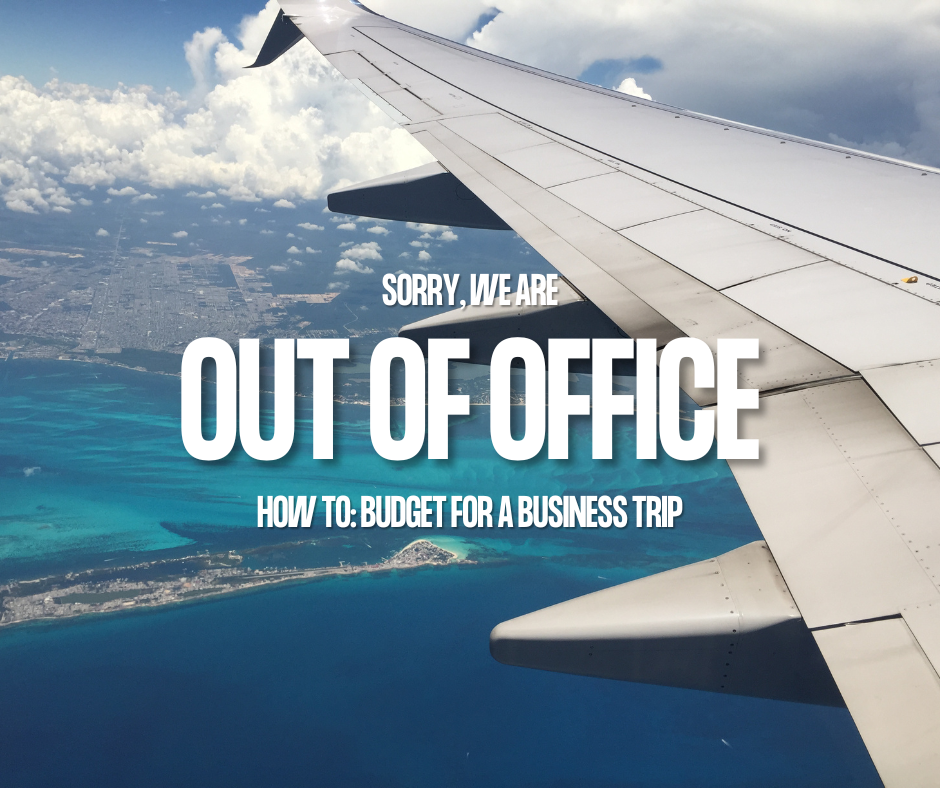
Business trips can be an important investment — they open doors to new opportunities, strengthen relationships, and keep your business growing. But without a solid plan, travel expenses can get out of hand fast. As your accountant, I want to help you make sure every dollar you spend on a trip supports your goals and stays within budget.
Step 1: Start with a Clear Purpose
Before you even book a flight or hotel, define why you’re taking the trip.
Are you attending a conference? Meeting with clients? Exploring a new market?
Knowing your objective helps you prioritize what expenses are essential — and what can wait.
Step 2: Estimate All Expenses
A realistic travel budget includes more than just airfare and lodging. Here are key categories to plan for:
Transportation: Flights, rental cars, taxis, parking, gas, tolls
Lodging: Hotel rates, taxes, resort fees
Meals: Per diem allowances or meal reimbursements
Event Costs: Registration fees, booth rentals, promotional materials
Miscellaneous: Tips, Wi-Fi fees, and other small but frequent expenses
Pro tip: Review prior trips for reference. Historical data is one of your best budgeting tools.
Step 3: Build in a Buffer
Unexpected costs always pop up — flight changes, extra baggage fees, or last-minute dinners. Add at least 10–15% to your total estimate for flexibility. It’s better to come in under budget than be caught short.
Step 4: Set Spending Policies
If your business has a team traveling, create clear spending guidelines. Decide on:
Daily limits for meals and lodging
Approved vendors or travel apps
Rules for reimbursements and receipt tracking
This keeps everyone aligned and helps you maintain accurate financial records.
Step 5: Track Expenses in Real Time
Use accounting software or expense tracking apps to record purchases as they happen. Waiting until you’re back at the office often leads to missing receipts or forgotten details. Plus, live tracking helps you stay accountable to your budget throughout the trip.
Step 6: Review and Adjust After the Trip
When you return, take time to compare your budget to actual spending. This review helps refine future trip budgets and keeps your financial planning accurate.
Final Thoughts
Budgeting for a business trip isn’t just about saving money — it’s about making smart, informed spending decisions that help your business grow. With a clear plan and accurate records, you can turn every trip into a profitable investment.
I help businesses create realistic budgets and track travel spending so you can stay focused on your goals, not your receipts. Let’s review your travel expense process together — I’ll make sure your next trip stays on budget from takeoff to touchdown!